Emergency carpet cleaning near Canning Town station Leamouth
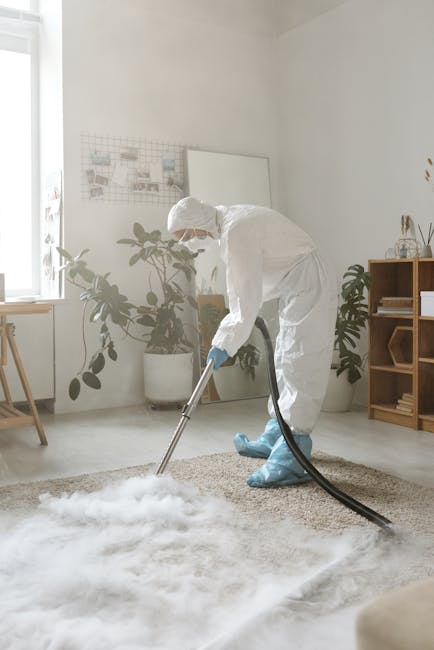
If you need emergency carpet cleaning near Canning Town station Leamouth, chances are something has gone wrong at exactly the wrong time. A drink has tipped over before guests arrive. Mud has been dragged in from a wet pavement. A pet has had an accident. Or maybe there is a stain you noticed too late and now it is spreading, darkening, or starting to smell. Let's face it, carpet problems never wait for a quiet day.
This guide explains what emergency carpet cleaning actually involves, how it works in a busy local area, what to expect from the process, and how to make a sensible decision fast. You will also find practical steps, common mistakes, and a simple checklist so you can act with a bit more confidence, even when the room feels chaotic.
For a broader look at the cleaning services and support available locally, you may also find the main carpet cleaning page useful, especially if the damage is urgent but not quite a full-scale emergency.
Why Emergency carpet cleaning near Canning Town station Leamouth Matters
Carpet emergencies are not just about appearance. A fast response can reduce staining, cut down odour, limit moisture damage, and stop dirt from being pushed deeper into the fibres. Near Canning Town station and Leamouth, this matters even more because homes and businesses often deal with heavy footfall, wet-weather grime, quick turnarounds, and the occasional "that was not supposed to happen" moment after work, travel, or hosting.
To be fair, most carpet damage gets worse with time. A spilled latte may seem harmless at first, but if it is left to dry, the sugars and milk solids can lock into the pile and become much harder to remove. Red wine, pet urine, oily food, makeup, and outdoor mud each behave differently, so the best emergency response is not always the strongest chemical. It is usually the right method, used promptly.
There is also a practical side. If you are renting, running a small office, managing short-let changeovers, or preparing for visitors, a stained carpet can create stress that is bigger than the stain itself. The room stops feeling fresh. People notice. And if the carpet is still damp or smells musty, the problem can linger long after the visible mark is gone.
Expert summary: emergency carpet cleaning is really about damage control. The goal is to stabilise the situation first, then clean deeply enough to prevent the problem from returning a day or two later.
How Emergency carpet cleaning near Canning Town station Leamouth Works
Emergency cleaning is usually faster and more focused than routine carpet care. A good cleaner will begin with a brief assessment, asking what caused the stain, how long it has been there, what the carpet is made from, and whether there has been any previous DIY treatment. That last bit matters more than people expect. A splash of the wrong household product can set a stain or damage the pile before the cleaner even arrives.
In a typical emergency visit, the cleaner will identify the fibre type, test the fabric if needed, choose a suitable pre-treatment, and then use extraction, agitation, or spot-cleaning methods depending on the issue. For wet spills, the priority is often removing liquid and reducing saturation. For dry contamination or set stains, it may be more about lifting residue safely without spreading it.
Steam carpet cleaning is commonly used for deeper restorative work, but not every emergency needs full hot water extraction. Sometimes a targeted stain treatment is better, particularly for delicate fibres or a localised spill near the edge of a room. The right approach depends on the carpet, not just the mess. That sounds obvious, but people skip that part all the time.
If the incident involves pets, odour, or contamination, a more specialised treatment may be needed. For example, pet stain and odour removal is usually handled differently from a simple food or drink spill because the issue can soak into the backing and underlay as well as the surface pile.
Many reputable providers also use protective measures around nearby flooring, skirting, and furniture. In a tight flat or busy office, that matters. Nobody wants a solved carpet problem and a new wall mark from a hose or a tray of dirty water. It happens. More than people think.
Key Benefits and Practical Advantages
Emergency carpet cleaning is not just about making a stain look smaller. Done properly, it brings several real-world benefits:
- Faster stain recovery: treating spills early gives you a much better chance of lifting them before they bond fully with the fibres.
- Reduced odour: food, drink, pet accidents, and moisture can leave a smell that gets stronger over time if left untreated.
- Less fibre damage: aggressive scrubbing at home can flatten the pile or fray delicate fibres, whereas targeted cleaning is gentler.
- Better hygiene: a cleaned carpet is less likely to hold residues, allergens, or grime brought in from outside.
- Improved presentation: this matters in homes, rentals, guest rooms, reception areas, and anywhere a room needs to look presentable quickly.
- Peace of mind: honestly, sometimes knowing a problem is being dealt with by someone who has seen it before is half the relief.
There is also the time factor. If you live near the station or in a fast-moving part of East London, convenience can be a major benefit. People often need a same-day or near-immediate response before a meeting, handover, viewing, family visit, or end-of-tenancy inspection. A quick, well-planned clean can save a lot of faffing about later.
Who This Is For and When It Makes Sense
This type of service makes sense for anyone facing a fresh or worsening carpet issue, but some situations especially call for urgency.
- Homeowners and tenants: for spills, pet accidents, tracked-in mud, drink marks, and unexpected stains before guests or inspections.
- Landlords and letting agents: when a turn-around is tight and the carpet needs attention before the next occupancy.
- Office managers: for reception areas, meeting rooms, and workspaces where first impressions matter.
- Hospitality and short-let hosts: for quick intervention after a guest incident or before check-in.
- Families with children or pets: because, well, life happens on carpets. A lot.
It makes particular sense when a stain is new, the carpet is still damp, or there is a smell developing. It also makes sense if you have tried blotting with water and the mark is still there. If the carpet is wool, loop pile, or a premium synthetic, a cautious professional treatment is often better than experimenting with whatever happens to be under the sink.
One useful question to ask yourself is simple: if I leave this until tomorrow, will it be easier or harder to fix? If the honest answer is "probably worse", then emergency cleaning is a sensible next step.
Step-by-Step Guidance
If you are dealing with a carpet spill right now, keep calm and work through the situation in a practical order. No drama needed.
- Stop the source of the damage. If liquid is still spreading, remove cups, plates, pet bowls, or anything else that is adding to the mess.
- Blot, do not scrub. Use a clean white cloth or paper towel to blot gently from the outside in. Scrubbing tends to push the stain deeper and can rough up the pile.
- Keep track of what caused it. Coffee, wine, bleach, grease, pet urine, paint, and mud all need different treatment. Tell the cleaner exactly what happened.
- Avoid adding random products. A bit of detergent, vinegar, stain remover, or soda water can help in some cases and make others worse. If you are unsure, stop there.
- Ventilate the area. Open a window if possible. Fresh air helps with drying and odour control, especially after a wet spill.
- Lift fragile items nearby. Move small furniture, rugs, and cables away from the affected area so they do not get damp too.
- Book the right level of help. For a small, fresh spill, targeted stain removal may be enough. For multiple rooms, deep saturation, or a lingering smell, ask for a more thorough carpet cleaning method.
- Ask about drying time. This matters for access, safety, and whether the room can be used again that same day.
If you need related services for other soft furnishings after a spill has spread, it can help to combine visits. A sofa splashed by the same drink, for example, may benefit from sofa cleaning at the same time rather than handling it separately.
Expert Tips for Better Results
Here are a few practical things that make a real difference, and they are easy to overlook in the moment.
- Act fast, but not recklessly. Quick response matters. Random product testing does not.
- Use white cloths if you can. Coloured towels can transfer dye, especially onto damp fibres.
- Do a spot test when cleaning yourself. A hidden corner is better than the visible middle of the room.
- Keep a note of the stain source. Even a brief reminder on your phone can help the cleaner choose the right treatment.
- Be honest about previous DIY attempts. There is no point pretending you "did nothing" if you already tried three sprays and a kettle of hot water. The cleaner will find out anyway.
- Think beyond the surface. If a smell returns after a day, the issue may be deeper in the pile or underlay.
- Manage airflow carefully. A fan can help drying, but blasting heat at a delicate carpet is not always wise.
In our experience, the best results come from clear information and a calm response. A cleaner can work with a lot, but not with mystery ingredients and guesswork. Truth be told, that is where many stains get more stubborn than they needed to be.
If your property also has moisture issues or lingering odours, it may be worth reading about combatting stubborn damp odours to understand why some smells persist after the visible dirt is gone.
Common Mistakes to Avoid
Emergency carpet cleaning goes wrong most often because people are trying hard, just not in the right way. A few classic mistakes show up again and again.
- Rubbing the stain aggressively: this spreads the mark and can damage the carpet surface.
- Using too much water: over-wetting can push the spill deeper and slow drying.
- Mixing cleaning products: never combine chemicals unless you know exactly how they interact.
- Waiting too long: fresh stains are easier to remove than dried or heat-set ones.
- Ignoring the underlay: if liquid has soaked through, the top layer may look fine while the smell returns later.
- Assuming all carpets are the same: wool, synthetic blends, textured pile, and delicate fibres behave differently.
- Choosing the quickest fix instead of the right fix: sometimes a gentle method with proper extraction works better than a powerful spray and a prayer.
Another small but important point: do not steam-clean everything by default. Heat is useful, yes, but not always the first choice. A responsible cleaner will weigh the fibre type, stain type, and drying conditions before deciding. That kind of judgement matters more than shiny equipment.
Tools, Resources and Recommendations
For emergency work, the right tools are usually simple, reliable, and appropriate for the material being cleaned. Professional cleaners may use extraction machines, stain-specific pre-sprays, fibre-safe spotting agents, absorbent pads, and controlled drying equipment. The point is not just to make the carpet look better for an hour. It is to clean it properly and avoid causing new damage.
If you are comparing options, these support pages can help you understand related services and company standards:
- steam carpet cleaning for deeper restorative cleaning
- stain removal when the issue is localised and specific
- upholstery cleaning if the spill affected chairs, cushions, or a sofa
- mattress cleaning if moisture or contamination reached sleeping areas
- pricing and quotes if you want to understand costs before booking
If you prefer to look at the business background and service approach first, the about us page and insurance and safety information are sensible places to start. And if you want to know how your details are handled during a booking, the privacy policy and payment and security pages are worth a quick look.
There is a simple rule of thumb here: if the issue is urgent and the carpet is valuable, choose a provider that explains the method clearly before touching anything. Good communication is a tool too. A very underrated one.
Law, Compliance, Standards, or Best Practice
For carpet cleaning, the main compliance concerns are usually practical rather than complicated. A responsible provider should work safely, use products appropriately, manage waste water carefully, and respect the property being cleaned. In the UK, that generally means sensible precautions, clear terms, and attention to health and safety rather than dramatic claims.
If you are letting someone into a home, office, or managed property, it is reasonable to expect:
- clear pricing information before the work starts
- care around electrics, flooring edges, and furniture
- suitable handling of cleaning chemicals
- respect for access, noise, and drying time
- proper insurance and straightforward communication
For business premises, there may also be internal site rules, landlord requirements, or building access procedures to follow. That is especially true near transport-heavy areas where time windows can be tight and shared spaces are common. No one wants a cleaner blocking a corridor with a wet vac at the wrong moment. A little planning saves a lot of awkwardness.
It is also sensible to check terms for cancellations, minimum charges, or after-hours visits. If the clean is urgent, ask how the provider handles evening access, weekend bookings, or same-day attendance. Clarity upfront avoids arguments later, and that matters.
Options, Methods, or Comparison Table
Not every carpet emergency needs the same response. This table gives a simple comparison of common approaches.
| Method | Best for | Pros | Watch-outs |
|---|---|---|---|
| Spot stain treatment | Small, fresh marks | Fast, targeted, less disruption | May not solve deep odour or soaked backing |
| Steam / hot water extraction | General deep cleaning, embedded dirt, tougher residues | Thorough, widely used, effective on many carpets | Needs drying time and may not suit every fibre |
| Low-moisture cleaning | Quick turnaround situations | Faster drying, less saturation | May be less effective on heavy contamination |
| Specialist stain removal | Wine, ink, makeup, food oils, pet issues | Tailored treatment, better chance of preserving the carpet | Requires correct diagnosis and careful handling |
If you are unsure which route is right, ask the cleaner to explain the choice in plain English. A good answer should sound practical, not salesy. Something like: "We can do a targeted treatment first, but because the spill is old and there is an odour, a deeper extraction will probably give a better result." That is the sort of clarity people actually need.
Case Study or Real-World Example
A practical example helps here. Imagine a tenant living close to Canning Town station who drops a cup of coffee on a light carpet before leaving for work. By the time they return, the surface has dried, the mark has darkened, and the room smells faintly stale rather than fresh. They try a bit of water and kitchen spray. The stain edges blur. Not ideal.
At that point, an emergency cleaner would normally assess the carpet fibre, identify whether the coffee contained milk or sugar, and decide whether to pre-treat the area before extraction. If the spill reached the underlay, they may also focus on odour removal and controlled drying. The difference between a quick cosmetic fix and a proper clean becomes obvious the next morning, when the patch has either blended in naturally or still stands out like a bad memory.
Now picture a different scenario: a small office in Leamouth gets muddy foot traffic after heavy rain. The issue is not one big stain, but several tracked-in marks spread across the hallway and reception. In that case, a cleaner may use a broader method across the affected areas rather than chasing individual spots one by one. Different problem, different treatment. Simple as that, really.
The useful lesson is this: emergency cleaning works best when the cleaner knows the source, the timing, and the extent of the damage before arriving. That one bit of information can save a lot of time and improve the result.
Practical Checklist
Use this quick checklist if you need to act fast.
- Identify the stain source if you can
- Blot gently with a clean white cloth
- Do not scrub the carpet
- Avoid piling on multiple cleaners
- Keep pets and children away from the wet area
- Open a window for airflow if practical
- Take a photo of the damage for reference
- Note the carpet type if known
- Tell the cleaner what you have already tried
- Ask about drying time before confirming the visit
- Check whether nearby soft furnishings were affected too
- Confirm access arrangements and any parking or entry details
If you are dealing with a bigger clean than expected, remember that a few related services can be combined in one visit. For example, rug cleaning or curtain cleaning may be worth considering if the same spill or odour spread beyond the floor.
Practical takeaway: the best emergency response is calm, specific, and quick. You do not need to solve everything yourself. You just need to stop the damage getting worse and choose the right help early.
Conclusion
Emergency carpet cleaning near Canning Town station Leamouth is about more than rescuing a visible stain. It is about protecting the carpet's condition, preventing odours, reducing disruption, and getting a room back to normal without unnecessary guesswork. Whether the problem is a spilled drink, pet accident, muddy footprint trail, or a stain that has started to set, the best outcome usually comes from quick action and the right cleaning method.
If you are weighing up whether to wait or act now, a useful rule is this: if the mark is fresh, spreading, or smelling, treat it as urgent. The sooner the problem is assessed, the easier it is to get a good result. And if you want the reassurance of a clear, local booking process, it makes sense to speak to a team that can explain the options properly and work around your schedule.
Get a free quote today and see how much you can save.
Sometimes the difference between a stressful day and a manageable one is just getting the right help at the right moment. That bit really does count.
Frequently Asked Questions
How quickly should I arrange emergency carpet cleaning after a spill?
As quickly as you reasonably can. Fresh spills are usually easier to remove than dried stains, and prompt treatment helps prevent odour and deeper fibre penetration. If the area is still wet or the stain is spreading, same-day action is often the sensible choice.
Can I clean the carpet myself before a professional arrives?
Yes, but keep it simple. Blot gently with a clean white cloth, avoid scrubbing, and do not use several products at once. If you are unsure what the stain is, it is often better to leave it alone than to make the problem harder to treat.
What kinds of stains count as a carpet emergency?
Common urgent issues include red wine, coffee, tea, pet urine, vomiting, muddy floodwater, makeup, ink, and greasy food spills. Anything that is spreading, smelly, or likely to set quickly can become an emergency in practice.
Will emergency carpet cleaning remove every stain?
Not always. Many stains improve significantly, and some disappear completely, but results depend on the stain type, how long it has been there, the carpet fibre, and any previous DIY treatment. A good cleaner should explain the likely outcome honestly.
How long will the carpet take to dry?
Drying time depends on the method used, airflow, humidity, carpet thickness, and how much liquid was involved. Light spot treatments may dry fairly quickly, while deeper extraction cleaning takes longer. Ask for a realistic estimate before the work begins.
Is steam carpet cleaning safe for all carpets?
No single method suits every carpet. Steam or hot water extraction is widely used, but delicate fibres or certain stains may need a gentler approach. A professional should assess the carpet before deciding on the method.
Can emergency carpet cleaning help with bad smells as well as stains?
Yes, especially when the smell comes from a fresh spill, pet accident, or moisture trapped in the fibres. If the odour has reached the backing or underlay, a deeper treatment may be needed rather than a surface clean alone.
What should I tell the cleaner when I book?
Tell them what caused the stain, when it happened, the carpet type if you know it, what you have already tried, and whether the area is still damp. Those details help the cleaner choose the safest and most effective approach.
Is emergency carpet cleaning suitable for rental properties?
Yes. It is often used in rented homes, especially before inspections, end-of-tenancy handovers, or new move-ins. In these settings, timing and appearance matter, so quick response can be very helpful.
Do I need to move furniture before the clean?
Sometimes, but not always. Smaller items are best moved beforehand if you can do so safely. For heavier furniture, ask the cleaner what they prefer. It is usually better not to drag bulky items yourself unless you know it is safe.
Can I combine carpet cleaning with other soft furnishing cleaning?
Absolutely. If the same incident has affected a sofa, rug, mattress, or curtains, combining services can save time and give a more consistent result. It also helps with odours that have spread beyond the floor.
What is the best way to choose a local emergency carpet cleaner?
Look for clear communication, sensible pricing information, appropriate safety practices, and a method that fits the stain. The best provider will explain what they plan to do, what result is realistic, and how long the room will take to dry. That clarity is worth a lot when you are under pressure.